Marshall Magazine
Moment in Marshall History

Marshall University Women’s Center: A Legacy of Access, Advocacy and Opportunity

From a 1976 dedication with Gloria Steinem to a 50th anniversary celebration, the story of access, advocacy and opportunity at Marshall.

By Lindsey M. Harper

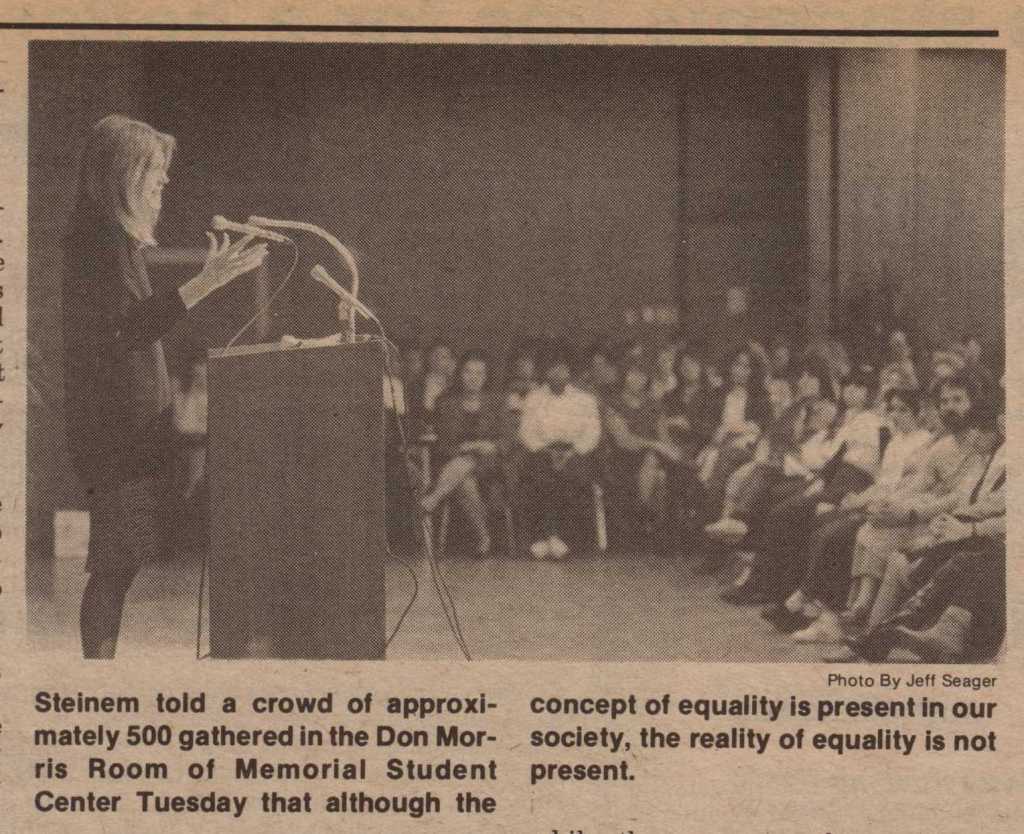
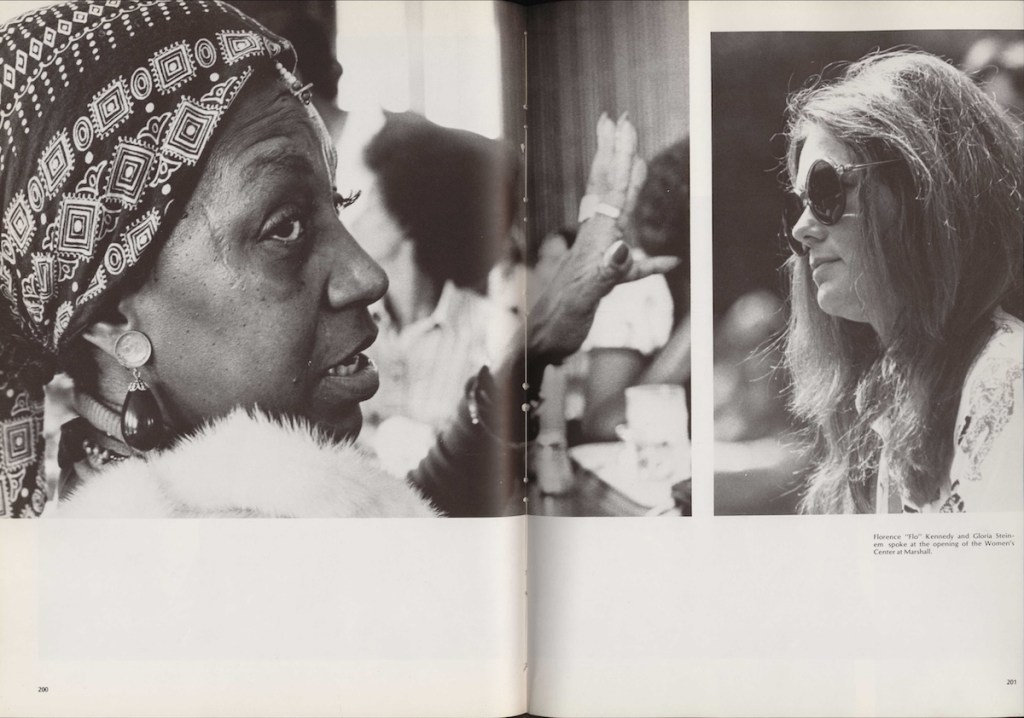
In 1976, momentum for women’s rights was continuing to build across the United States, and three women worked to bring that spirit of empowerment to the campus of Marshall University. That year, Drs. Elaine Baker, Frances Hensley and Carolyn Karr established the Women’s Center on campus and dedicated it with no small amount of fanfare. They commemorated the occasion with a two-day conference featuring prominent leaders such as Gloria Steinem and Florynce “Flor” Kennedy as speakers.

This year, the Marshall University Women’s Center celebrated its 50th anniversary at the Women of Marshall Awards Ceremony.

Guided by a belief in collective action, we have remained committed to creating meaningful change.
Alissa Rookard Women’s Center Coordinator

“Over the years, the center and its staff have been the driving force behind numerous campus initiatives — from wellness programming to interpersonal violence prevention,” said Women’s Center Coordinator Alissa Rookard. “Guided by a belief in collective action, we have remained committed to creating meaningful change. I am proud to carry forward the legacy of all those who came before me.”

Originally located in Old Main B16, the Women’s Center brought both academic rigor and activist commitment to its early years, which helped shape its longstanding mission rooted in equity and access for all. Jane Bilewicz, assistant dean of students and initial coordinator of the Women’s Center in 1976, established several committees to provide educational programming and to address key issues facing women during this time. Those included Women and Athletics, Women in the Arts, Women in Healthcare, and Human Awareness & Publicity.

As a member on the planning committee for the 1977 West Virginia International Women’s Year Conference in Charleston, Bilewicz’s commitment to amplifying women’s voices extended beyond campus. The keynote speaker that year, Frances “Sissy” T. Farenthold, noted that “conferences such as these start the groundwork for organizations to lobby for better legislation.”

The event drew attention to the distinct challenges facing women in rural Appalachia and reflected the Women’s Center’s early investment in statewide advocacy.

Baker soon took the role of acting director while simultaneously holding an assistant professorship in the department of psychology.

As Practical As It Was Visionary

From the beginning, the Women’s Center was as practical as it was visionary. Moving to Prichard Hall in the late 1970s, with a list of 16 objectives for success, early programming within Marshall’s Women’s Center highlighted issues related to women’s personal and professional development holistically.

Some of these events included educational programming for women on campus about selecting a career, knowing their legal rights, issues surrounding pay equality and getting access to healthcare. Other initiatives included women’s studies course curricula development, forums for scholars and leaders to showcase their work, and resources to aid students who were returning to school. These programs exemplified the Women’s Center’s approach to creating accessible conversation-driven initiatives and were a direct response to issues facing women that were of the moment.

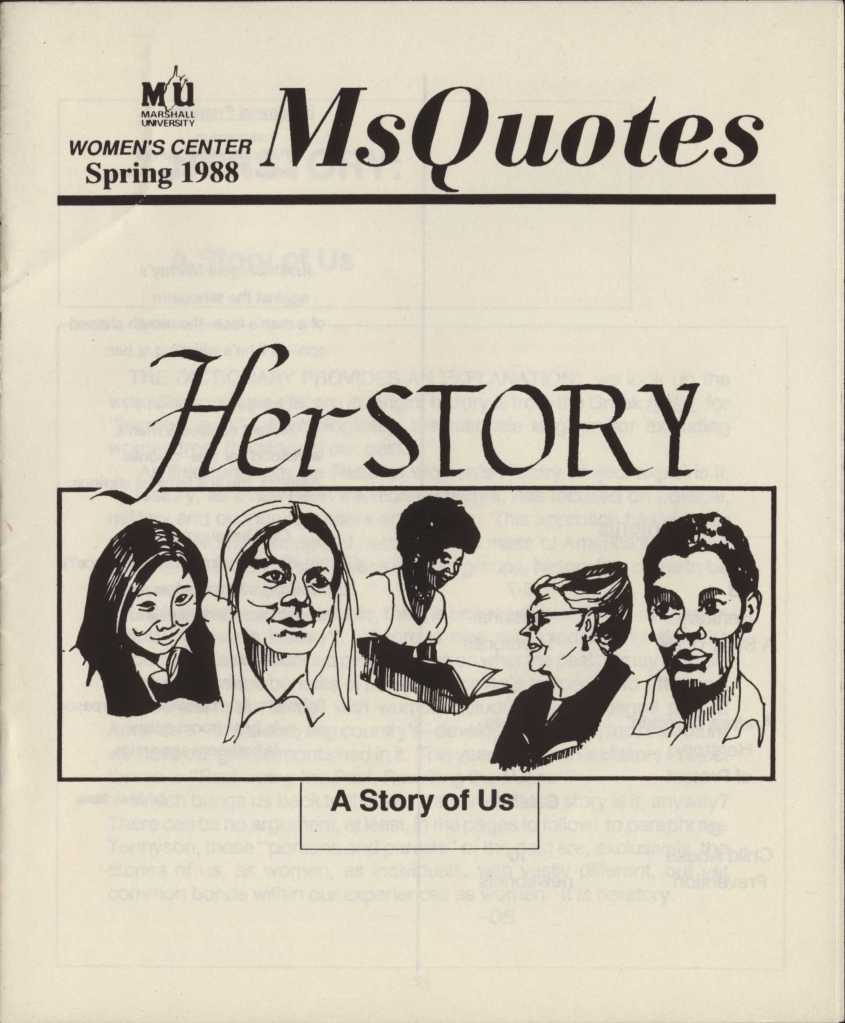
The scope of the Women’s Center broadened over the years while remaining grounded in student needs. In the 1980s and 1990s, it became a hub where providing advocacy and resources remained at the heart of its mission. Leadership transitioned from Baker to others since its inception, including but not limited to Patricia (Patti) Matters, Donalee (Dee) Cockrille and Kim Walsh. The Women’s Center provided career workshops, sexual assault education and intervention programing, Women’s History Month events, Women of Marshall Scholarships to help fund students’ education, and the space for support and discussion groups. Early publications from the unit, like “Ms. Quotes” and then later “A Woman’s View” documented the experiences of women across campus and helped build a shared sense of identity and purpose, serving as an information tool and platform for women’s voices.

Building on a Legacy

Since 1996, the Women’s Center has been shaped in significant and lasting ways by Leah Tolliver, whose leadership has guided it through decades of institutional change. Originally serving as the director, and now as the assistant dean of Student Affairs, Tolliver has deepened the Women’s Center’s integration with other campus wellness and prevention efforts. This work has aligned the Center’s work with broader initiatives addressing interpersonal violence, bystander intervention, and student well-being. Her time at Marshall reflects a commitment to collaboration, both with student services and educational departments across campus, as well as with organizations throughout the broader community and across West Virginia.

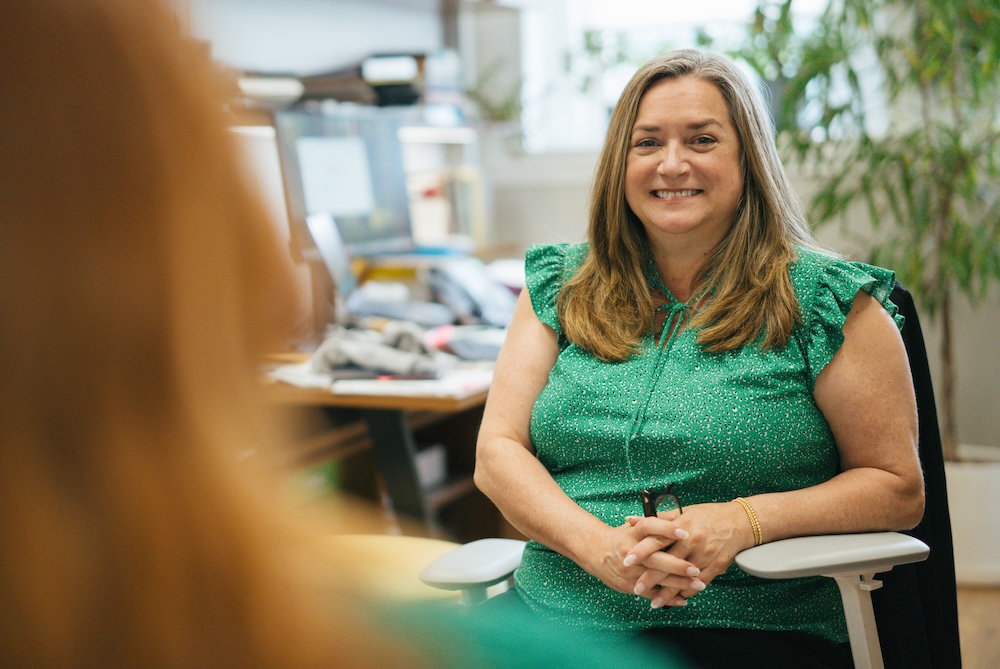
Leah Tolliver, assistant dean of wellness in Marshall University's Division of Student Affairs, smiles while meeting with a student in her office.
Leah Tolliver, assistant dean of wellness in Marshall University’s Division of Student Affairs, meets with a student in her office, where she helps support student well-being, mental health and overall success.

Today, under Rookard’s leadership, the Women’s Center continues to evolve while honoring its past. Its programming reflects contemporary needs, such as the BOLD Women’s Leadership Network that was founded by Marshall First Lady Alys Smith. The Women’s Center also hosts workshops on financial literacy and salary negotiation.

Other types of programming include events for Women’s History Month and about reproductive and sexual health. Even as the topics that are needed for today’s students shift and expand, the Women’s Center’s identity remains consistent — a place of advocacy, education and support for all members of the Marshall community.

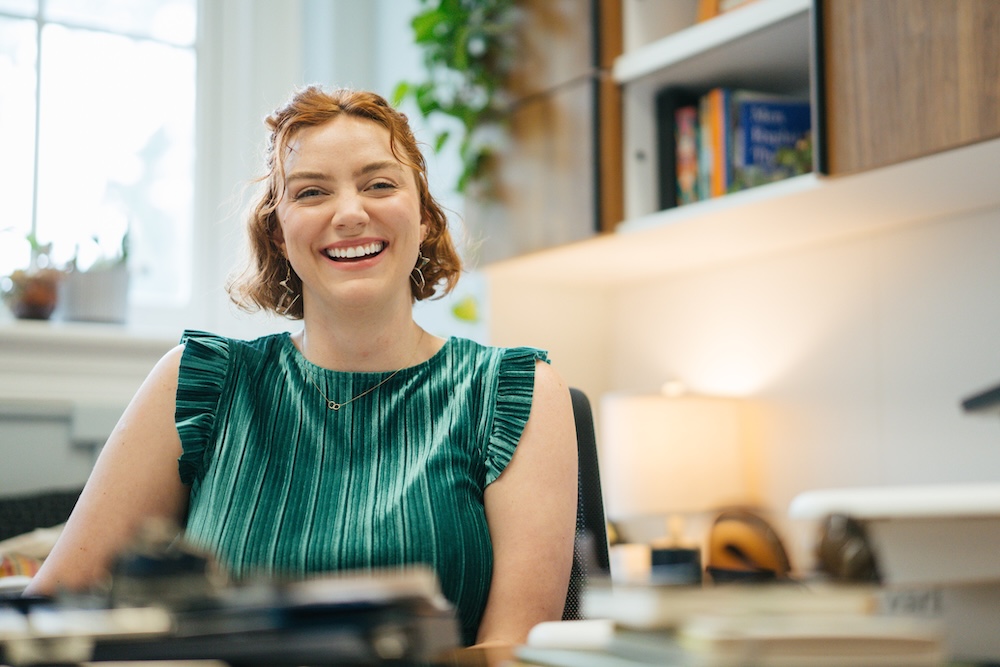
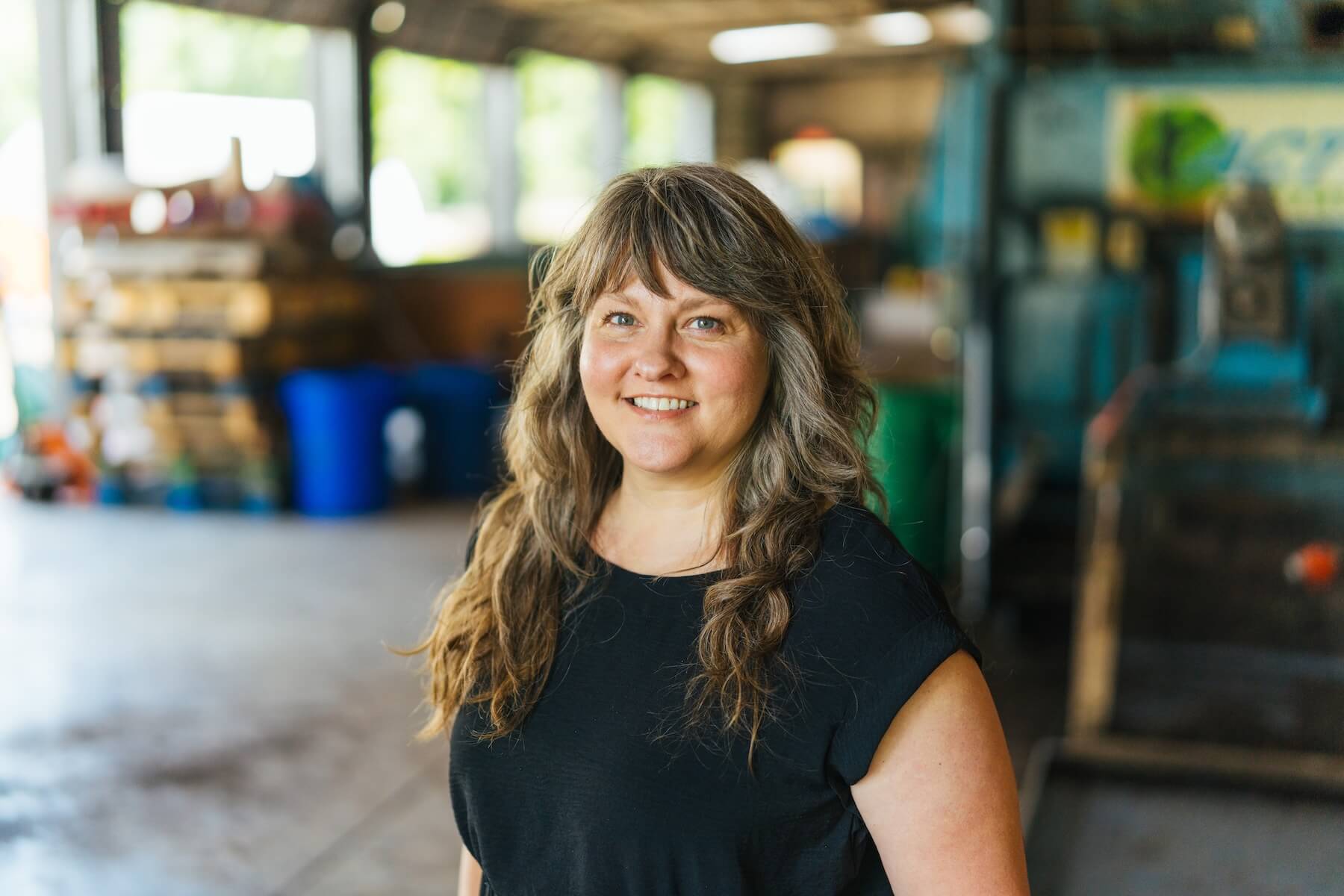
Women's Center Coordinator Alissa Rookard smiles while seated at her desk in the Marshall University Women's Center office.
Alissa Rookard, coordinator of the Marshall University Women’s Center, works to create programs, resources and a welcoming environment that supports students’ well-being and success.
A Place to Belong

A Legacy That Continues

At the annual Women of Marshall Awards Ceremony in April, members of the campus community gathered to celebrate the individuals this year who have shaped student life, advanced equity, and amplified voices. Recognition of the contributions of women across campus has remained central to the Women’s Center’s work.

The award recipients for 2026 included: Allison Dodd, Darian Marcum, Cara Bailey and Dr. Patricia Proctor. Dr. Kelli Prejean received a special honorable mention. Additional special recognition of women included Shaunte Polk, Lisa Allen, Lisa Martin and Dr. Shelvy Campbell.

During the awards ceremony each year, the Susan Jackson awardee is honored, Bold Women’s Leadership Network student participants are honored, as are the Women, Gender, and Sexuality Studies graduates. The Women’s Center’s story is clearly not defined by any one individual, but by the collective efforts of those who have contributed to the lives of our community over time.

Fifty years after its founding, the Women’s Center stands as testament to what sustained advocacy can achieve. Now back in Old Main in Room 115, the Center’s legacy is visible not only in the programs it offers or the awards it grants, but in the countless people who have been able to thrive because someone offered them the resources they’ve needed and a space to belong.

More from Summer 2026

Keep Reading